
Thank you for Subscribing to Transportation Review Weekly Brief
Transportation Review: Specials magazine
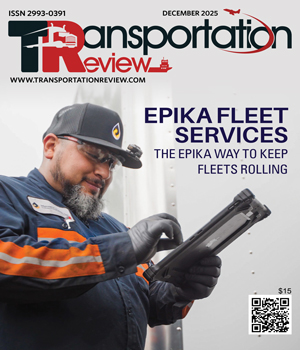
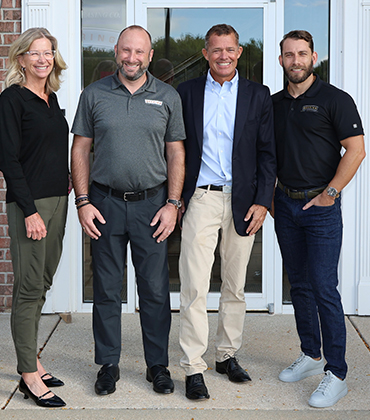
One night in a Georgia trucking yard, a long-haul driver discovered his rig needed urgent service before morning. For most fleets, that’s more than a costly headache as it can sideline a truck for days, stall deliveries worth thousands of dollars, and derail carefully planned routes. Every idle hour means lost revenue for the company and lost wages for the driver. But this night unfolded differently. Instead of being towed to a shop, a mobile technician pulled into the lot, crouched under the rig with a headlamp, and completed the repair on-site. By sunrise, the truck was ready to hit the road again, with the next preventive maintenance already scheduled for two months later, when it would be back on-site. The driver felt assured that someone competent had his back, and the fleet manager could count on every delivery running on schedule. Predictable ETAs, cleaner invoices, and faster repairs meant no surprises for anyone — just smooth operations. This reflects the difference Epika’s skilled team brings to keep fleets moving. “Such successful, on-time repairs are possible because of our skilled and dedicated technicians, the lifeblood of Epika. They’re the ones out in the streets, in the heat, the cold, rain, or snow, showing up day after day to get the job done,” says Matt Weems, Chief of Staff. “When technicians are supported, they give that support back to customers.” That sense of support is why Epika’s retention rates outpace industry averages, and why employees describe the culture as a family that looks out for one another. Across Epika’s family of brands, this technician-led, mobile-first model has redefined what fleet maintenance looks like in practice. Technicians go to the customer site, perform preventive maintenance and repairs, and return trucks to service as quickly as possible, often the same day, avoiding weeks-long dealer delays. The company’s people-first approach has reshaped service delivery in an industry long overdue for change.
Top Fleet Management Company 2025
In a business often viewed as transactional or easily automated,Doering Fleet Management (DFM) proves that fleet management remains a people-driven industry where problem-solving and relationships drive results. A case in point is DFM’s work with one of the world’s largest and most recognizable brands, which recently chose it after 26 years with its previous provider. The move wasn’t prompted by a flashy sales pitch but by a fundamental difference in service philosophy. After years of being treated like an account number, constantly changing account representatives and having to provide customer IDs before speaking to representatives, the company found a partner who valued personal attention as much as operational performance. They appreciated DFM’s attention to detail, direct team access and responsive communication. This is how DFM has grown to become the premier fleet management company in the USA. They are not the largest, but they are the best there is by all accounts! That “humanization” is the defining edge, layered over advanced technology platforms and proven processes to create an experience as personal as it is powerful. Since its founding, DFM has positioned itself as a strategic ally for organizations seeking smarter, more efficient vehicle operations. Every relationship is built as a long-term partnership, backed by a consultative, data-driven approach that turns complex fleet challenges into clarity and control. DFM’s technology platforms, including Transportation Electric Sustainable (TES) Lease for electric vehicles and DreamLease for luxury and exotic vehicles, allow clients to track, manage and optimize every car. These tools work in tandem with direct access to experienced team members who anticipate issues, solve problems quickly and understand each client’s unique business. The result is measurable efficiency improvements, reduced administrative burden and stronger operational insights, often within the first quarter of partnership. “Independent from manufacturers and banks, we offer unbiased guidance rooted in long-term value, operational clarity and client empowerment. We help organizations rethink how they manage and interact with their vehicles, making fleet management not just manageable but truly strategic,” says Adam Berger, president. From the start, DFM works to understand how vehicles impact every part of a client’s business, from finance and risk to branding and customer experience. The challenges it addresses range from rising vehicle costs and supply chain volatility to maintenance, compliance and resale value. DFM’s holistic, data-informed approach optimizes total cost of ownership, minimizes downtime and provides actionable reporting so decisions can be made faster and with greater confidence. It is grounded in data and delivered with personal service and advice from the DFM team..
Freight Management Services

Shippers can ensure the safe and timely delivery of goods with the best freight carriers on the job. However, with capacity and driver shortages looming, they must build specialized relationships with carriers to secure the required capacity to deliver shipments. Freight All Kinds, a renowned freight brokerage and transportation company in the business for the last 40 years, has mastered the art of connecting shippers to experienced carriers to achieve their freight transportation goals. “Everyone's looking for more capacity, and we equip shippers with the capacity they need to address their various demands,” says Chris Dampf, VP of Operations, Freight All Kinds. With customer-centricity and a business ethos prioritizing high-quality standards, it has built long standing partnerships with carriers with over 20 years of experience. Its rich legacy and deep industry expertise led Woerner Holdings – an investment group that owns and operates agriculture and real estate companies – to acquire the company and solidify its stronghold further. As the name suggests, Freight All Kinds transports everything from small and big freight, less than truckload, box trucks, and hotshot loads to over-dimensional and oversized loads. It provides shippers with a broad scope of custom transportation management services, including freight trucking, third-party logistics, freight logistics consulting, talented manpower, and carrier agents at competitive rates.
CXO INSIGHTS

The Top 3 Factors for Effective Transportation Management
Mike Pallo, Vice President of Product Management, Kenco Group

Supply Chain Constraints Call for New Approach to Material Handling Equipment Fleet Management
David Horak, Vice President, Operations, Carolina Handling

Leadership in Fleet Operations: A Competitive Advantage
Andrew J. Thompson, Director of Fleet Management, Ben E. Keith Beverages

Watts up with Fleet?
Ernest Garcia, Director of Fleet Management & Business Systems, Gothic Landscape

The World of Freight Brokerage
Kevin Larkin, Transportation Manager, Proximo Spirits

Embracing Unified Logistics Solutions for Enhanced Efficiency
Romie Montpeirous, Director of Logistics, Southern Glazer's Wine & Spirits
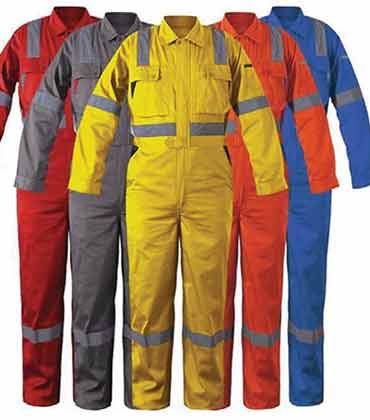
The Importance of Driver Uniforms: Enhancing Safety, Trust, and Brand Image
William Diamond, Head of Fleet Management, UniFirst Corporation [NYSE: UNF

The Power of Servant Leadership In Reducing Turnover In the Food Industry
Juan Noguera, Transportation Manager, Gordon Food Service

Global Logistics Perspectives
Greg Javor, SVP, Global Supply Chain Operations, Mattel, Inc [NASDAQ: MAT]


IN FOCUS

Driving Change: Fleet Management Innovations for the Modern Business
Fleet management companies use AI and IoT to improve efficiency and safety in logistics.
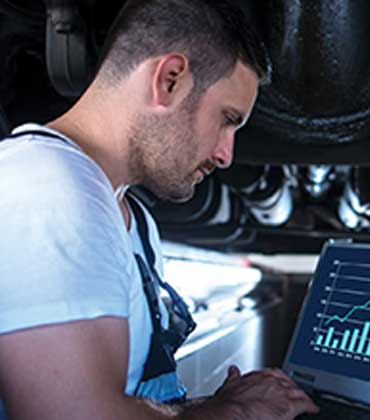
Strategic Trends and Solutions in Fleet Maintenance & Repair Services
Fleet maintenance and repair services optimize uptime, reduce costs, and enhance safety by combining predictive technology, skilled technicians, and robust processes across commercial and public transport fleets.
EDITORIAL
Predictive Maintenance Becomes Standard Practice
Fleet maintenance and repair in 2025 is being driven by tight budgets, sharper tech, and nonstop uptime demands as U.S. fleets juggle volatile costs and shifting compliance rules. Meanwhile, the fleet management solutions market keeps climbing, powered by e commerce momentum, fast spreading telematics, and tighter lifecycle discipline across light, medium, and heavy duty assets.
Market dynamics come down to price pressure and availability. Service and parts costs keep creeping up, fuel prices refuse to sit still, and technician and driver shortages continue to squeeze operations. On top of that, inconsistent vehicle and component supply raises downtime risk and total cost of ownership. Even so, forecasts remain upbeat through 2029 as fleets lean harder into data, compliance tools, and practical electrification that actually pencils out for their duty cycles.
Key hurdles include maintenance inflation, parts bottlenecks, and scattered replacement plans that trigger surprise failures and reactive retirements. Layered federal and state rules plus the challenge of integrating telematics, diagnostics, and shop systems make it harder to turn collected data into decisions at the bay, route, and replacement timing levels.
Leading operators are countering with practical playbooks. Standardized lifecycle policies and TCO audits, along with predictive maintenance, are cutting roadside events and extending asset life. Connected workflows that link fault codes, work orders, and inventory help shops target priority repairs and keep dwell time tight, while diversified sourcing and clearer stock visibility help avoid delays. Labor stability comes from apprenticeships, competitive pay, and stronger shop culture, and sustainability gains come from deploying EVs and alternative fuels only where charging, duty cycles, and economics align.
In this edition, we highlight influential voices shaping the market. Two such leaders are James Kornas, Executive Vice President, Rail, Ozinga, and Todd Williams, President, KINEXO, who share perspectives on current conditions and the opportunity pipeline. Their insights aim to support more confident, data driven decisions.
